Casey Berger · 16 October 2026
Investigating Smooth Lichen Resilience in Volcanic Ash Environments Through Field Observations
Researchers have conducted extensive field observations to examine how smooth lichen species endure burial and chemical alteration from volcanic ash deposits across multiple active and recently active sites. These studies combine repeated site visits with measurements of thallus coverage, photosynthetic activity, and substrate chemistry while tracking changes over seasonal cycles. Data collected from several Pacific Ring of Fire locations show that certain smooth lichen taxa maintain metabolic function even when ash layers reach thicknesses of several centimeters, and the same populations later expand onto fresh mineral surfaces once rainfall redistributes finer particles.
Methods Employed in Recent Expeditions
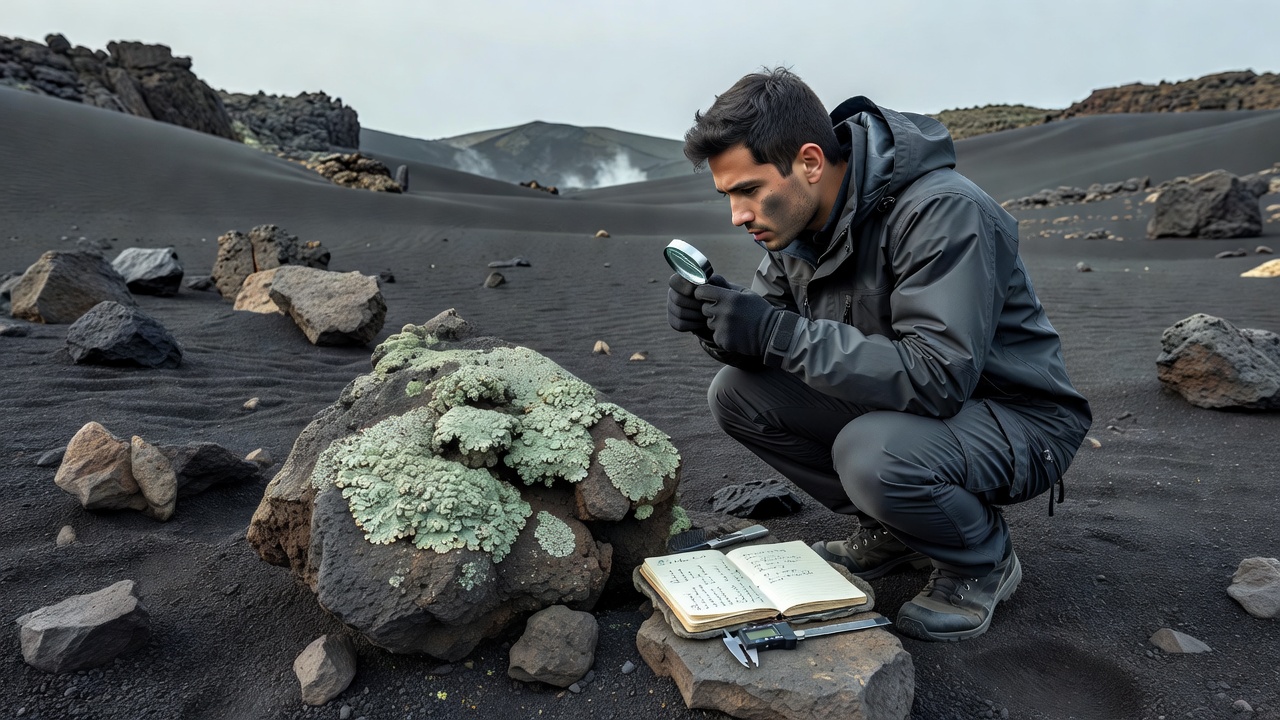
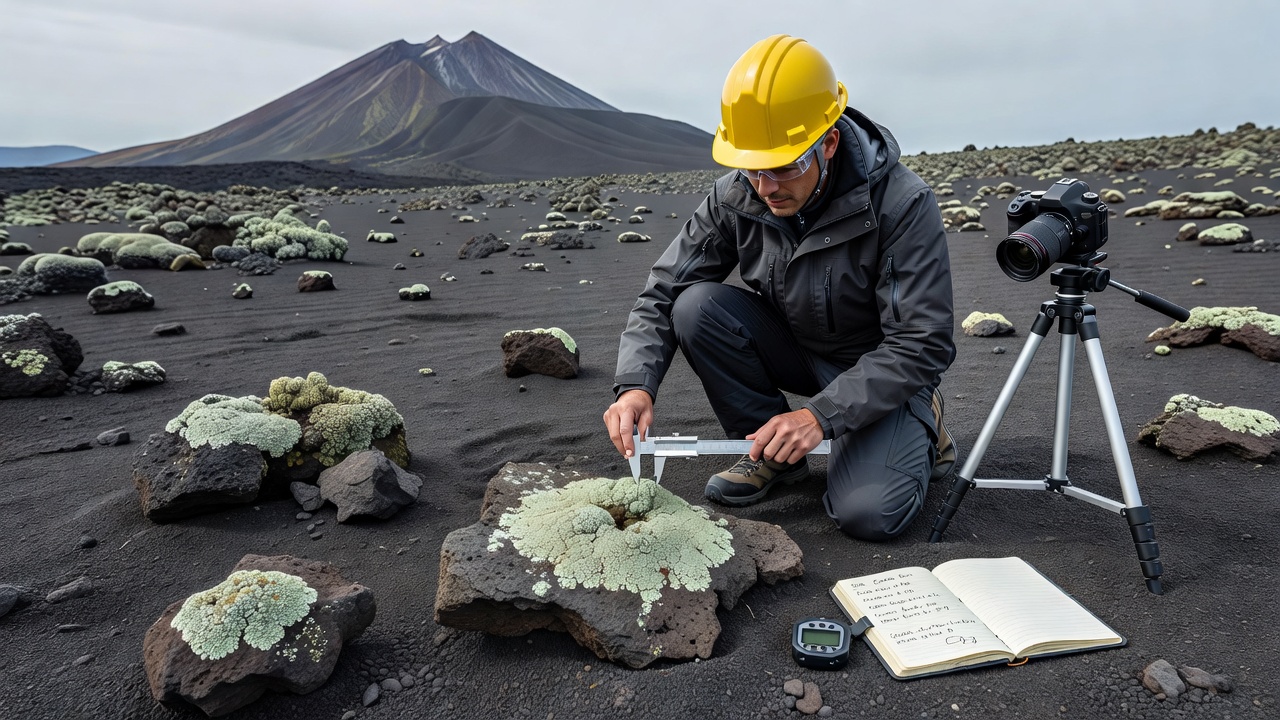
Teams establish permanent transects at elevations between 800 and 2,400 meters on slopes that received documented ash falls within the past decade. At each station, observers record species presence, measure thallus diameter and surface texture with digital calipers and macro photography, then extract small samples for laboratory chlorophyll fluorescence analysis. Portable X-ray fluorescence units provide on-site elemental profiles of both lichen tissue and underlying ash, allowing direct comparison of metal uptake before and after rain events. In October 2026, one coordinated campaign revisited sites in the Kuril Islands and the Cascade Range simultaneously, synchronizing sampling windows to capture post-summer weathering patterns under comparable daylight conditions.
Key Observations from Volcanic Field Sites
Across monitored plots, smooth lichens consistently recolonized ash surfaces within eighteen months of major deposition events, although initial growth rates remained low until fine particulates were leached or blown away. Researchers recorded that thalli positioned on slight ridges or near small drainage channels recovered photosynthetic efficiency faster than those in flat depressions where ash accumulated more deeply. Chemical analyses revealed elevated potassium and phosphorus concentrations in lichen tissue shortly after ash fall, suggesting that the deposits themselves supply limiting nutrients once moisture becomes available. Yet the same datasets show that prolonged contact with acidic leachates can reduce thallus pH tolerance, prompting observable shifts in dominant species along elevation gradients.
Environmental Variables Influencing Survival
Moisture availability emerges as the primary control on recovery speed, while temperature fluctuations and ultraviolet exposure appear secondary once ash coverage exceeds one centimeter. Wind-driven redistribution of ash creates patchy microhabitats that allow isolated thalli to persist even when surrounding areas remain barren for years. Observations from multiple eruptions indicate that smooth lichens with thinner, more uniform cortices tolerate repeated burial better than those with pronounced surface ridges, possibly because the former shed accumulated particles more readily during wind gusts or light precipitation. Data compiled from long-term plots further demonstrate that nitrogen fixation rates within associated cyanobacterial partners remain detectable even under ash layers, supporting gradual soil development that later benefits vascular plant establishment.
Comparative Findings Across Regions
Studies conducted on different continents reveal both shared and divergent patterns. In the Andes, smooth lichen cover rebounded more rapidly on andesitic ash than on rhyolitic deposits, whereas parallel work in Iceland found comparable recovery timelines across basalt-derived materials once rainfall totals exceeded 1,200 millimeters annually. Researchers cross-referencing these datasets note that underlying bedrock mineralogy influences ash chemistry more strongly than eruption style alone, a distinction that helps explain why certain smooth lichen species appear restricted to specific volcanic provinces. Ongoing monitoring programs now incorporate remote-sensing indices calibrated against these ground measurements, extending coverage to inaccessible craters where direct access remains limited.
Conclusion
Field observations continue to document the capacity of smooth lichens to tolerate and exploit volcanic ash environments through morphological and physiological adaptations that vary with local conditions. The integration of repeated transect measurements, chemical profiling, and regional comparisons provides a growing body of evidence on recolonization dynamics that informs broader models of primary succession in disturbed landscapes. As monitoring networks expand, particularly with synchronized campaigns such as the one completed in October 2026, researchers gain clearer insight into the temporal scales over which these organisms contribute to ecosystem recovery following eruptive events.