Yves Otto · 2 October 2026
Genetic Analysis of Smooth Lichen Populations Reveals Adaptation Strategies in Remote Mountain Valleys
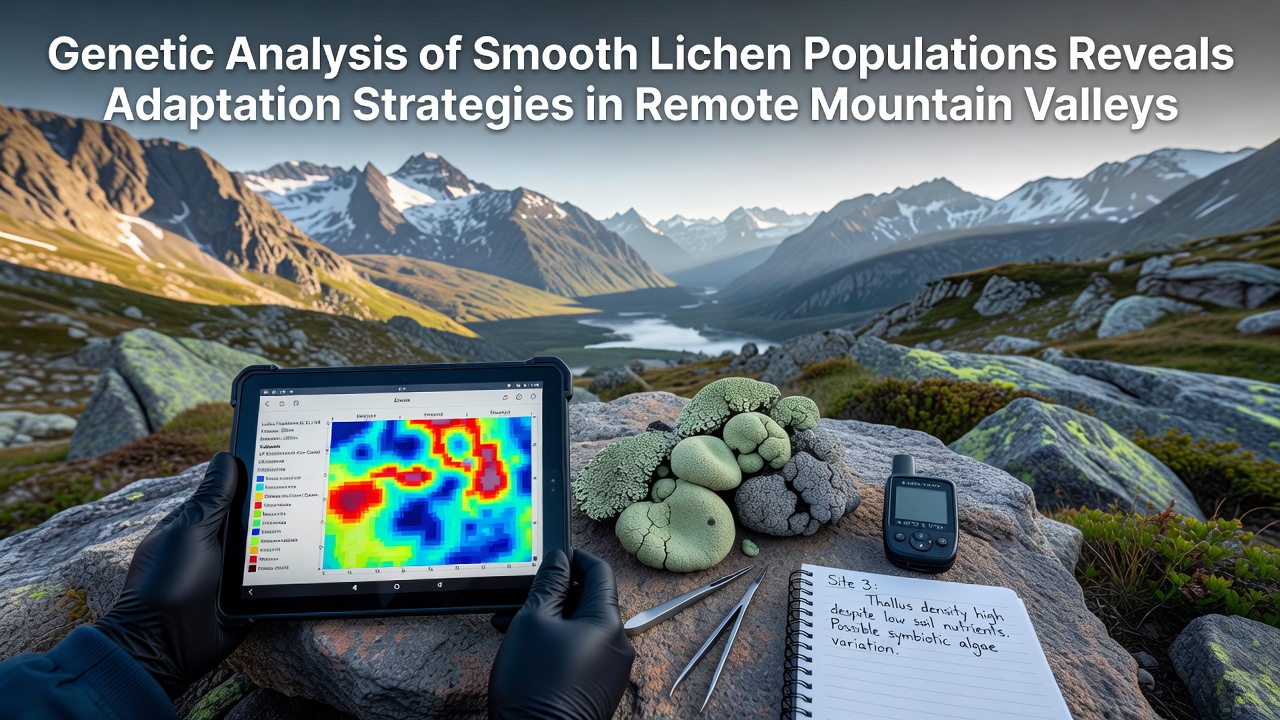
Genetic studies of smooth lichen populations have uncovered specific adaptation mechanisms that allow these organisms to thrive in isolated mountain environments where conditions change rapidly and resources remain limited. Researchers collected samples from several remote valleys across multiple continents and sequenced the genomes to identify patterns linked to survival under extreme temperature swings and low nutrient availability.
Background on Smooth Lichen in Mountain Ecosystems
Smooth lichen species form thin, flat thalli that adhere tightly to rock surfaces in high-elevation zones. These organisms consist of a fungal partner and an algal or cyanobacterial partner that together perform photosynthesis and nutrient uptake. Data from field surveys show that smooth lichen cover increases with altitude up to certain thresholds before declining due to exposure and desiccation stress. In October 2026, teams from Canadian and Australian research institutions released coordinated reports detailing how genetic variation correlates with elevation gradients in teh Canadian Rockies and the Australian Alps.
Observers note that smooth lichen populations in these valleys often exhibit slower growth rates compared with lowland counterparts yet demonstrate higher tolerance for ultraviolet radiation and freeze-thaw cycles. Genetic markers associated with DNA repair pathways appear more frequently in samples from the highest sites, according to sequences analyzed at multiple laboratories.
Methods Used in the Genetic Analysis
Scientists employed whole-genome sequencing on hundreds of individual thalli gathered during summer expeditions. They extracted DNA directly from lichen tissue and used high-throughput platforms to generate coverage sufficient for variant calling. Population structure analyses then grouped samples by valley location while controlling for geographic distance. This approach revealed clusters of genetic similarity within valleys separated by tens of kilometers yet distinct from populations in adjacent ranges.
Key Genetic Findings
Results indicate that genes involved in osmotic regulation and antioxidant production show signs of positive selection in the mountain populations. Allele frequencies for certain stress-response loci differ significantly between valley groups, suggesting local adaptation rather than neutral drift. One study revealed elevated expression of a dehydrin-like protein in individuals exposed to prolonged drought simulation in controlled chambers, matching patterns observed in field-collected material.
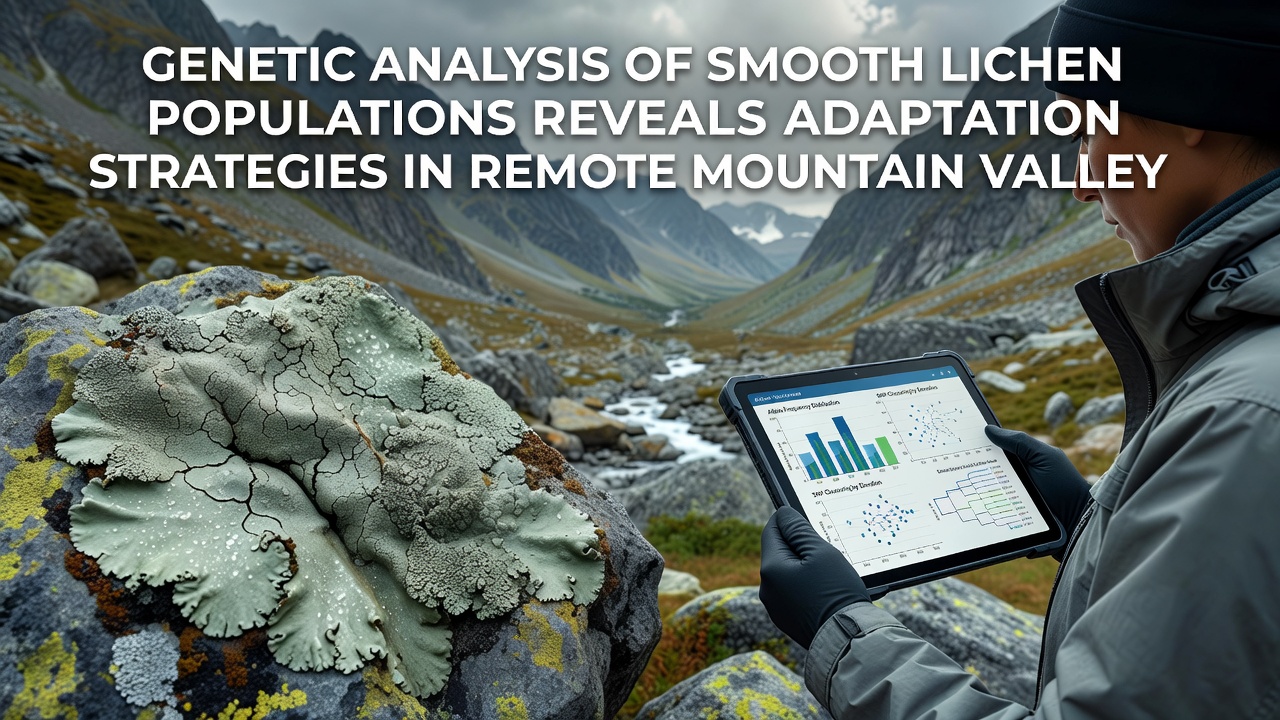
Further examination of the algal partner genomes uncovered parallel shifts in photosynthetic efficiency genes. These changes allow the symbiotic unit to maintain carbon fixation under lower light levels typical of shaded valley slopes. Researchers discovered that certain single-nucleotide polymorphisms track with microhabitat differences such as south-facing versus north-facing rock faces within the same valley system.
Adaptation Strategies Identified
Adaptation appears to operate through both standing genetic variation and occasional gene flow between valleys during rare dispersal events. Evidence suggests that wind-borne spores occasionally bridge populations separated by deep ravines, introducing novel alleles that undergo selection in new conditions. In some cases, horizontal transfer of bacterial genes associated with secondary metabolite production has been documented in the fungal partner, potentially enhancing chemical defense against herbivores or pathogens prevalent at altitude.
Those who've studied these systems note that metabolic pathways for nitrogen scavenging become upregulated in populations from valleys with particularly thin soils. Stable isotope data collected alongside genetic samples confirm that individuals carrying specific variants incorporate atmospheric nitrogen at higher rates during short growing seasons. Such traits combine to create resilient populations capable of persisting where vascular plants struggle to establish.
Broader Implications and Ongoing Research
Findings from these genetic analyses contribute to models predicting lichen responses to shifting climate patterns in mountain regions worldwide. Government agencies in Canada and New Zealand have incorporated similar population data into biodiversity monitoring programs that track changes in alpine communities over time. Academic groups continue to expand sampling networks to include additional ranges in the Andes and Himalayas, aiming to test whether the same genetic loci confer advantages across disparate mountain systems.
Collaboration between molecular biologists and field ecologists has produced datasets now available through public repositories maintained by international research consortia. These resources allow other investigators to compare smooth lichen genomes with those of related species that occupy different ecological niches.
Conclusion
Genetic analysis has clarified how smooth lichen populations in remote mountain valleys maintain viability through targeted adaptations in stress-response pathways and symbiotic efficiency. Continued sequencing efforts and expanded geographic coverage will refine understanding of these mechanisms while supporting conservation planning for alpine ecosystems facing environmental change.